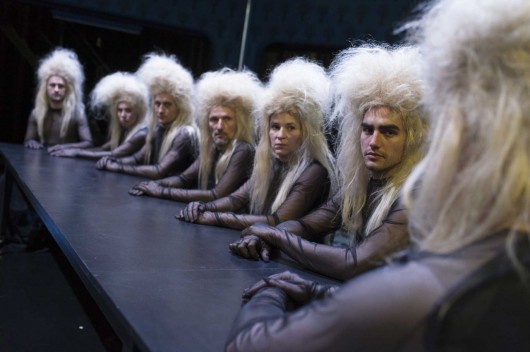
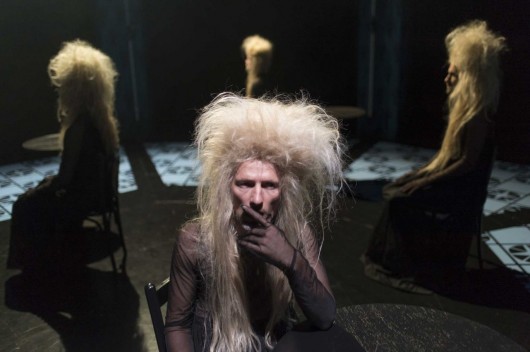
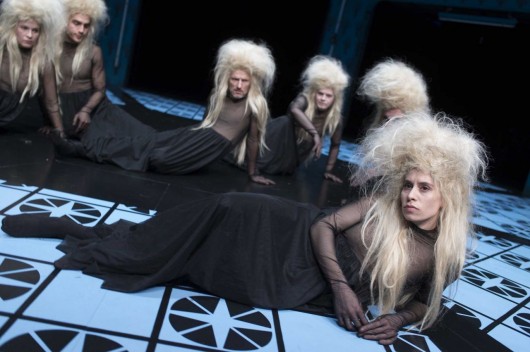
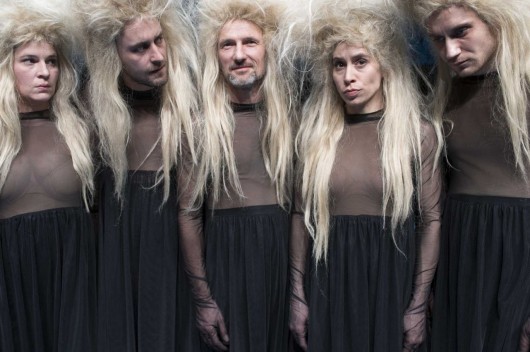
Poet Ka after a twelve year exile in Germany is sent to the Anatolian city of Kars in order to prepare a report about the suicides committed by young women wearing hijabs. After three days of non-stop snowing, the city is cut off from the outer world. Soon the municipality elections will take place, where an Islamic candidate is to win. An educational melodrama of the Ataturk times is interrupted by a scandal because this show promotes abolition of the hijab and “uncovering” of women. Is it possible to force a woman to unveil her face? What is more important: public arguments of the secular state or personal freedom of religious feelings?
The conflict escalates when representatives of some sort of special forces burst onto the stage and under the leadership of a state actor Sunaya Zaim say that they are here to free the state from Islamists. Poet Ka attempts to reveal a political conspiracy, but turns out to be ultimately confused, becoming a mediator in the conflict between the Turkish and Kurdish nationalists, army and Islamic fundamentalists.
For Ersan Mondtag, the director of “The Snow”, Pamuk is very significant author. In his novel, written before September 11, 2001, Pamuk wanted to show the city of Kars as a kind of microcosm of Turkey. After the terrorist attack of the Trade Center Pamuk began to realize that the Turkish issue has become a worldwide problem. Today, Pamuk appeals to the Western society saying: “Please understand the difference between Islamic society and political Islam! Please understand the difference between political Islam and radical fundamentalism! After the attacks on Charlie Hebdo dramatic emotions have erased the difference. And this is terrible!”